Monetization project | Spotify
Define your ICP and Product
(Before you begin, you need to know what your product is, what are its features, and what is the problem being solved by your product?)
(build your ICP's- by now you know how to do that in a tabular format as done in earlier projects and segment the users, think about why you are segmenting and what is the goal of your product and segmentation)
Parameter | ICP 1 | ICP 2 |
|---|---|---|
Monetization litmus test
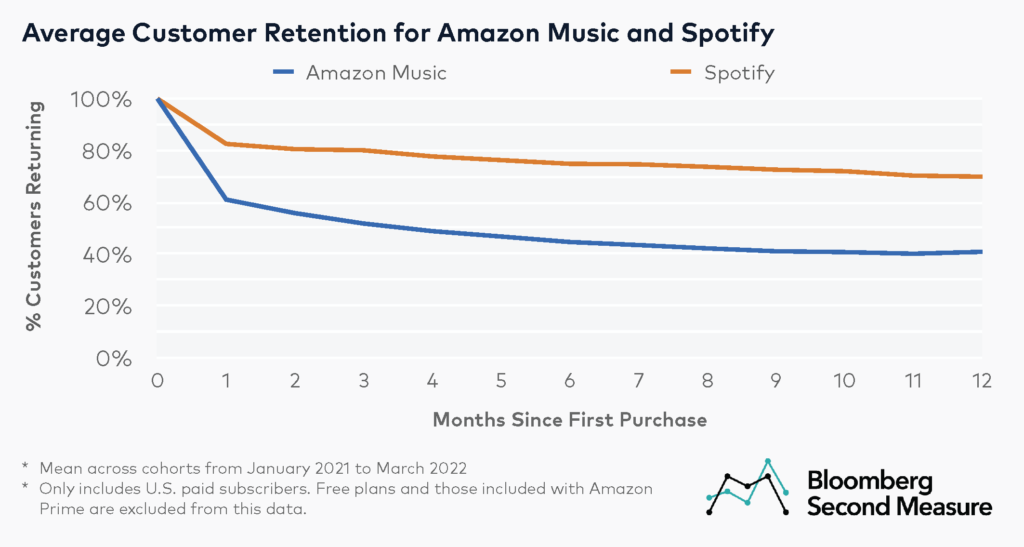
Retention Graph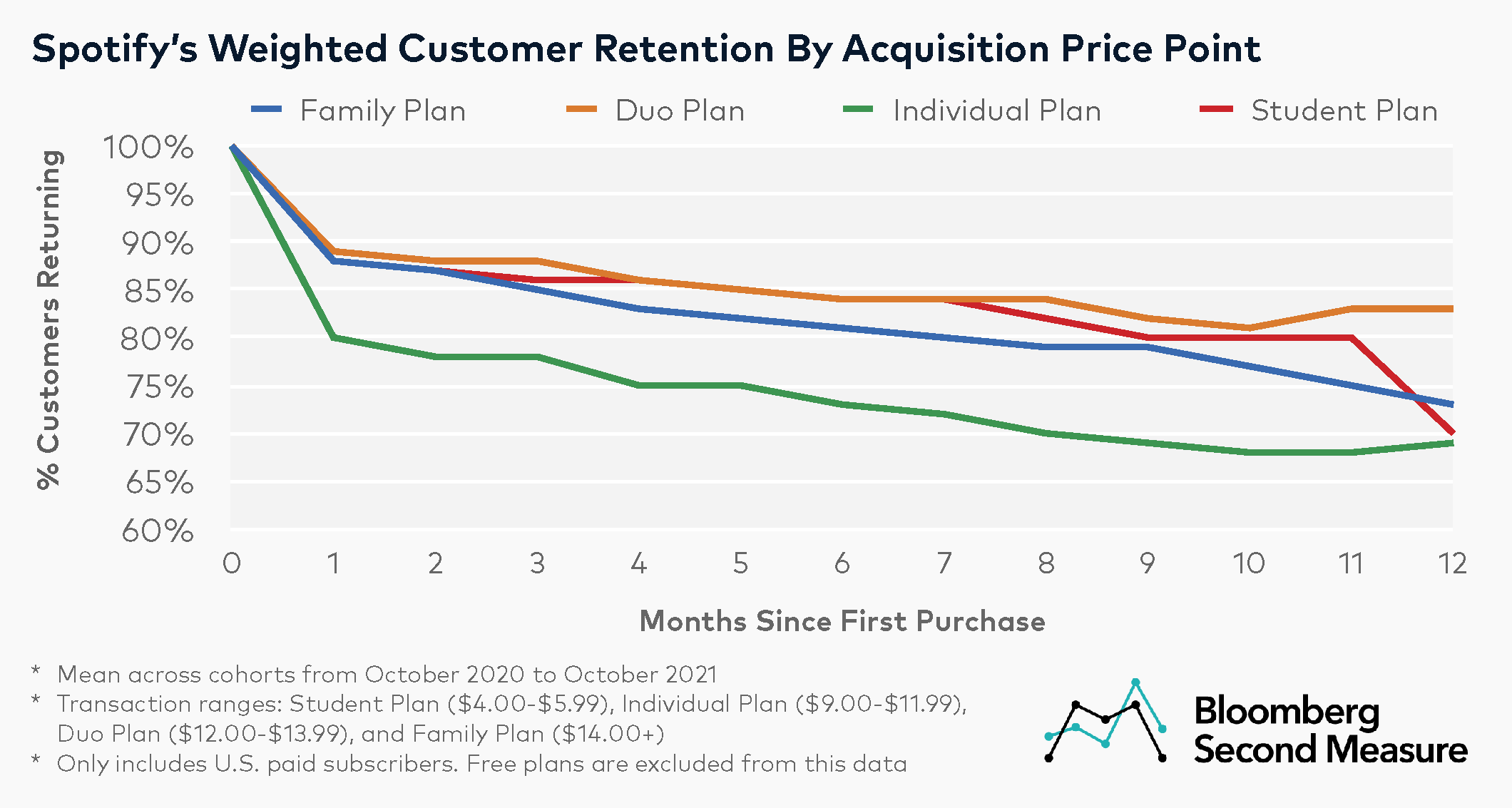
| Retention Metric | Typical Range | Notes |
|---|---|---|
Day 1 Retention | ~20% | Steep drop-off is common; first session experience is critical |
Day 7 Retention | ~14–15% | Users still exploring, but many fail to form habits |
Day 30 Retention | ~6% (industry avg); Spotify likely higher | High personalization boosts Spotify's retention vs. other apps |
12-Month Premium Retention | 69%–83% , depending on plan | Duo (83%) > Family (73%) > Student (70%) > Individual (69%)【source-based】 |
Strong Retention Drivers
- Personalization Loop: Playlists like Discover Weekly, Daily Mix, and On Repeat build habit and relevance.
- Cross-Device Stickiness: Spotify Connect and offline mode keep users engaged across devices.
- Pricing Flexibility: Mini, Student, Family, and Duo plans reduce churn by matching wallet sizes.
- Emotional Habit: Music is mood-linked—when Spotify nails that vibe, users rarely leave.
Risk Areas in Retention
- Free-Tier Users: 50%+ in India cite ads as a major frustration. High D1 drop-off without early hook.
- Low Onboarding Engagement: Users who don’t hit key activation moments (5+ songs played, playlist followed) rarely return.
- Premium Individual Plans: Lowest 12M retention among paid tiers—possibly due to pricing burden.
Engagement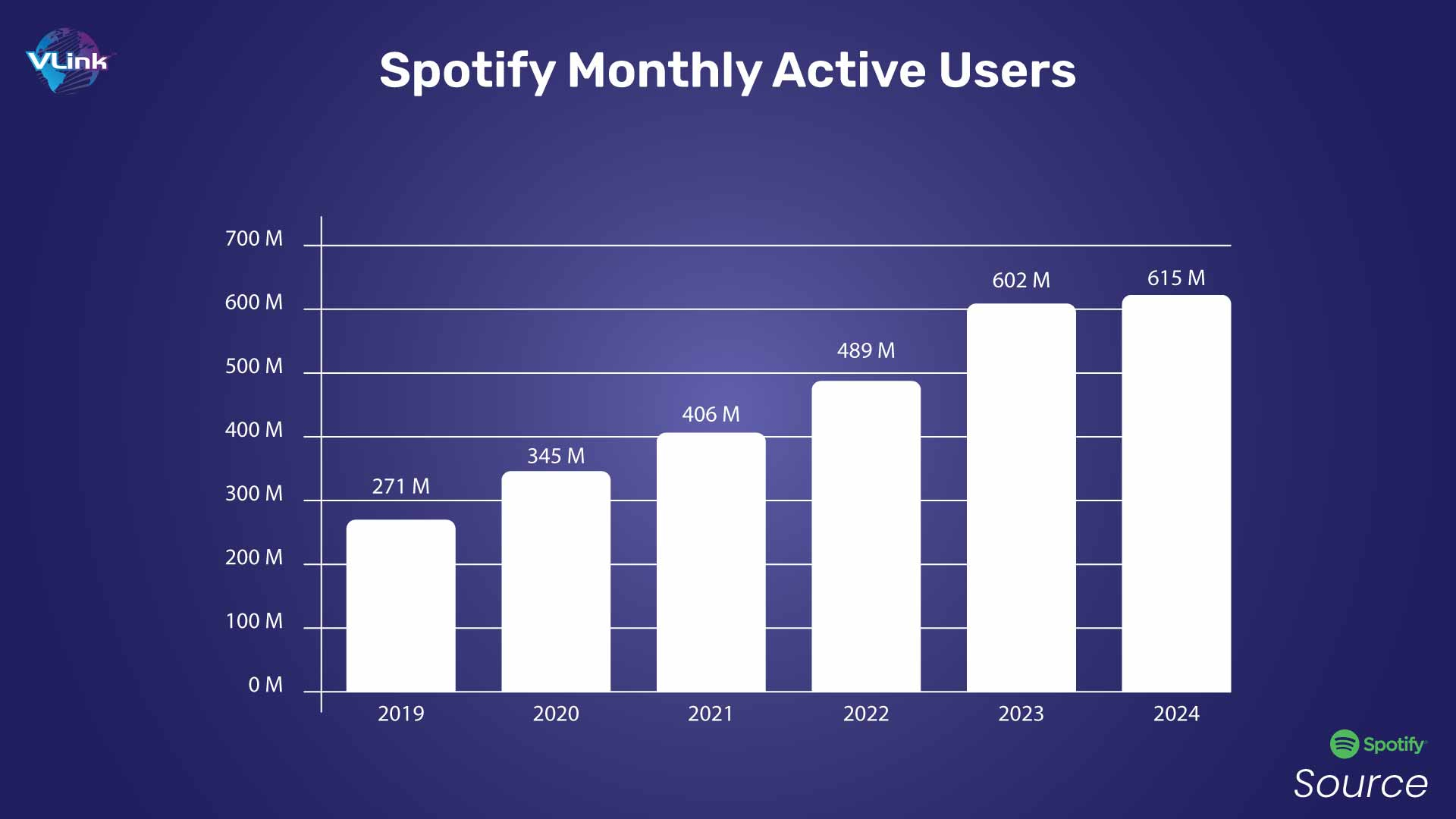
The Monthly active users of spotify increases year after year.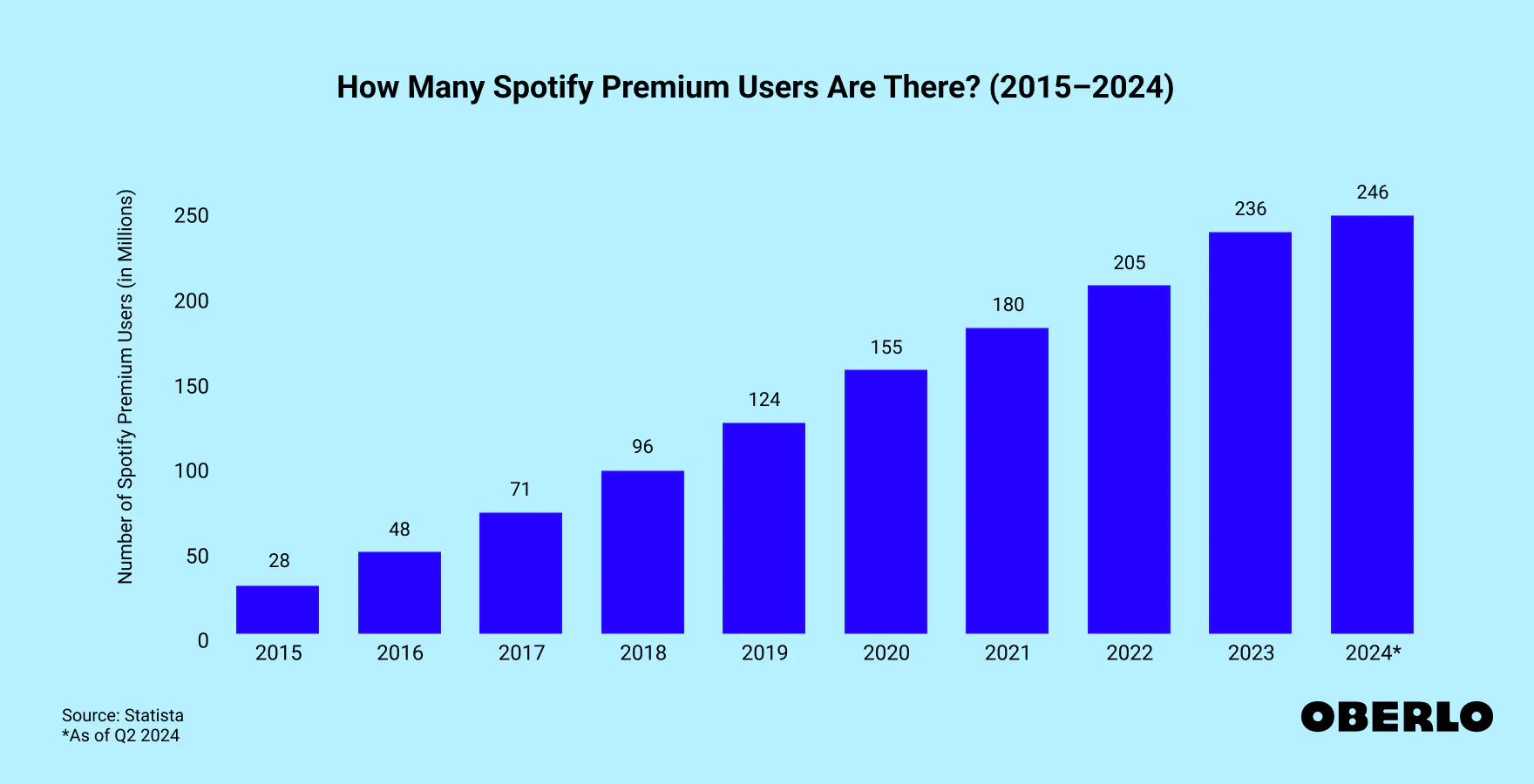
The Premium Users of Spotify also keep increasing year after year.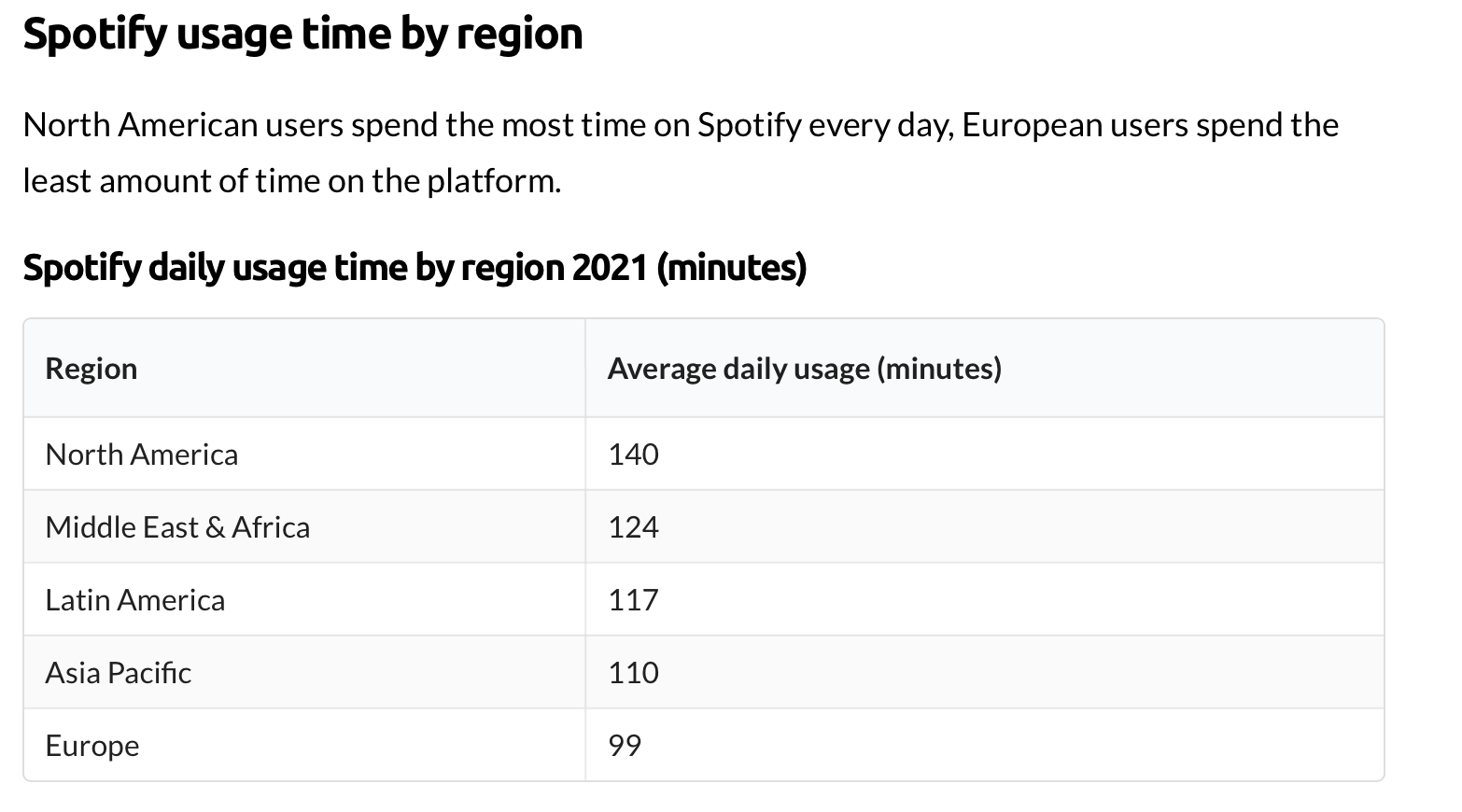
Most of Spotify’s active users fall into the core or power user category—listening daily, creating playlists, sharing music, and engaging with personalized features like Discover Weekly or Wrapped. These users aren’t just passive consumers—they’ve formed habits, built emotional connections, and rely on Spotify as part of their routine. That depth of engagement means one thing: Spotify is well-positioned to monetise. With the product already delivering strong retention and daily utility, it’s no longer about proving value—it’s about unlocking it with the right pricing, nudges, and premium experiences.
Willingness to Pay — What Are Users Really Saying?
Through 1:1 user conversations, a few things became clear: Spotify users are willing to pay—but only if it earns it.
If Spotify wants to increase monetisation—either by upselling existing users or converting free users—it has to raise the bar in a few key areas:
- Expand the Library: Users expect more exclusives, deeper catalogues, and niche genres. Some asked for artist-specific zones or early releases. If Spotify is charging a premium, the content needs to feel premium.
- Elevate the Experience: More control over playlist sorting, smarter organization, and even auto-curated playlists based on time-of-day or mood were high on the wishlist. In short: users want Spotify to know them better than they know themselves.
- Fix the Value Gap: Spotify is “just” an audio app. Meanwhile, a single Amazon Prime subscription gets users music, movies, and free delivery. To justify the cost, Spotify must compete on quality, curation, and sheer emotional resonance.
- Artist Love: Some users brought up fairness—if they’re paying more, they want assurance that artists get paid more too. That story matters.
- Make Payment Frictionless: Multiple payment modes, UPI-first options, and easier billing would reduce drop-offs and increase trial conversion.
Why Do People Pay?
When they do pay, here’s what keeps them coming back:
- “I get everything in one place—music, mood mixes, instrumentals, even podcasts.”
- “The recommendations feel like magic. It’s like Spotify gets me.”
- “Wrapped is a big deal. I wait for it all year.”
- “Group Sessions and Blends make music social again.”
And When They Don’t?
Here’s where the alternatives win:
- Amazon Music: “One subscription for everything. Why pay twice?”
- YouTube Music: “My YouTube history already knows my taste. It's seamless.”
- Audible: “I lost the habit of reading books—Audible fills that gap.”
- JioSaavn: “I got it free with my Jio SIM. My playlists are already there. Too much effort to start over.”
Spotify is beloved—but it’s not untouchable. The product needs to earn the wallet by offering more than music. Users pay when they feel understood, empowered, and emotionally invested. Not when they feel like they’re buying access to a catalogue.
Aha vs. Happy Moments
| Moment Type | User Action / Trigger | Why It Matters |
|---|---|---|
Aha Moment | Playing 5+ songs + following 1 playlist/artist | Shows curiosity + investment. First sense of personalization magic. |
Aha Moment | Discover Weekly feels “perfect” for the first time | Validates algorithm’s power. User feels “seen” by the product. |
Happy Moment | Spotify Wrapped drops at year-end | Social validation, nostalgia, identity expression. High emotional spike. |
Happy Moment | Sharing a Blend playlist with a friend | Reinforces social + emotional bonding over music. |
Happy Moment | Listening ad-free for the first time | Peaceful, uninterrupted vibe. Makes Premium feel “worth it.” |
Aha Moment | Receiving a mood-based playlist that fits the moment (e.g., “Evening Calm”) | Unlocks value of smart, low-effort discovery. Habit-forming potential. |
Perceived Value (1–10 scale)
| Moment | Perceived Value | Perceived Price Sensitivity | Notes |
|---|---|---|---|
First great Discover Weekly | 8 | Low | High personalization = high emotional payoff |
Listening ad-free for the first time | 7 | Medium | Ad-free vibe justifies ₹119/month for many |
Spotify Wrapped drop | 10 | Very Low | Emotional spike; users wait all year. Drives word-of-mouth |
Friend joins Blend | 9 | Low | Makes Spotify social; high retention impact |
Creating perfect playlist via Song Radio | 7 | Medium | Reduces search fatigue; feels curated |
Playing 5+ songs on Day 1 | 5 | High | Core habit not formed yet; vulnerable to churn |
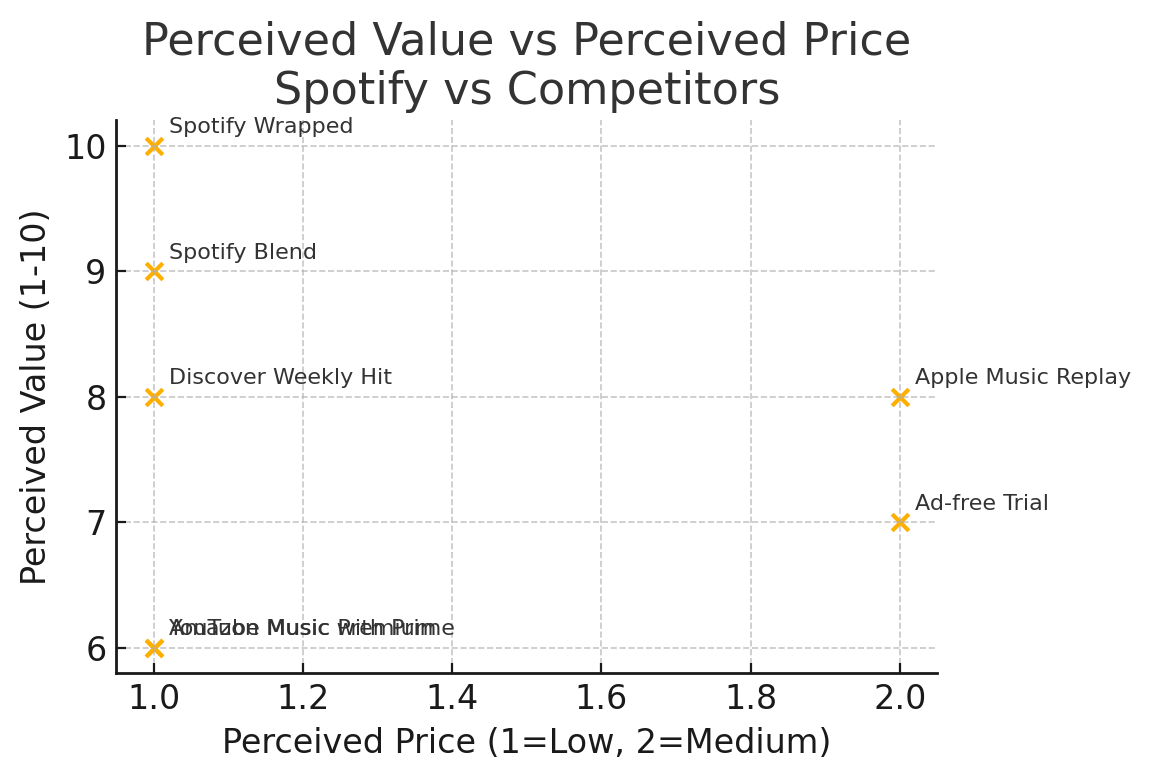
This graph illustrates how Spotify’s standout moments—Wrapped, Blend, and Discover Weekly—deliver top value at a low relative price, compared with features from Apple Music, YouTube Music, Amazon Music, and JioSaavn.
| Moment / Feature | Perceived Value | Perceived Price | Competitor Comparison |
|---|---|---|---|
Spotify Wrapped | 10 | 1 | Unique annual recap; Apple Music Replay scores an 8 at price 2 |
Spotify Blend | 9 | 1 | No direct equivalent on YouTube Music or Amazon Music |
Discover Weekly Hit | 8 | 1 | Apple Music has “Replay” but no weekly dynamic playlist |
Ad-Free Trial | 7 | 2 | Amazon Prime Music offers ad‑free only with full Prime bundle |
Apple Music Replay | 8 | 2 | Strong recap, but fewer social/share hooks |
YouTube Music Premium | 6 | 1 | Ad‑free video+audio at similar cost, but weaker personalization |
Amazon Music (Prime bundle) | 6 | 1 | Good ad‑free flex, but no Wrapped or Blend |
JioSaavn Pro | 6 | 1 | Basic regional catalog, weaker recos |
Key Takeaways:
- High Value, Low Price (Top‑Left): Spotify’s emotional and social “happy moments” like Wrapped and Blend sit in the ideal spot—max value for minimal price.
- Conversion Sweet Spot: Features like Discover Weekly and Ad‑Free streaming, which users hit early, justify trial offers and upsells.
- Competitive Edge: No rival combines dynamic personalization, social sharing, and cultural rituals at this price point.
Pricing Page
Spotify India Pricing Page
https://www.spotify.com/us/premium/

Analysis (What works, what can be improved and suggestions)
| Aspect / Section | What works | What can be improved | Redesign suggestions (for India) |
|---|---|---|---|
Hero / Promotional Offer | - Strong, clear hook: Prominent “Try 3 months of Premium for ₹59” headline immediately grabs attention. - Clear terms: It shows “₹119/month after” and “Cancel anytime,” reducing commitment anxiety. - Urgency: Countdown (“Offer ends in 11 days”) encourages quick action. | - New-user restriction hidden: The “if you haven’t tried Premium before” condition is in small print, which may frustrate returning users. - Unclear navigation: “View all plans” link is easy to miss. - Missing local cues: No Indian imagery or regional language to reinforce local appeal. | - Label as “New subscriber offer”: Clearly mark this deal as for first-time users to set expectations. - Show payment logos: Display UPI/Netbanking/Paytm icons near CTA for trust and clarity. - Localize visuals/text: Add an India-themed banner or a Hindi tagline; reference local festivals/music for cultural resonance. |
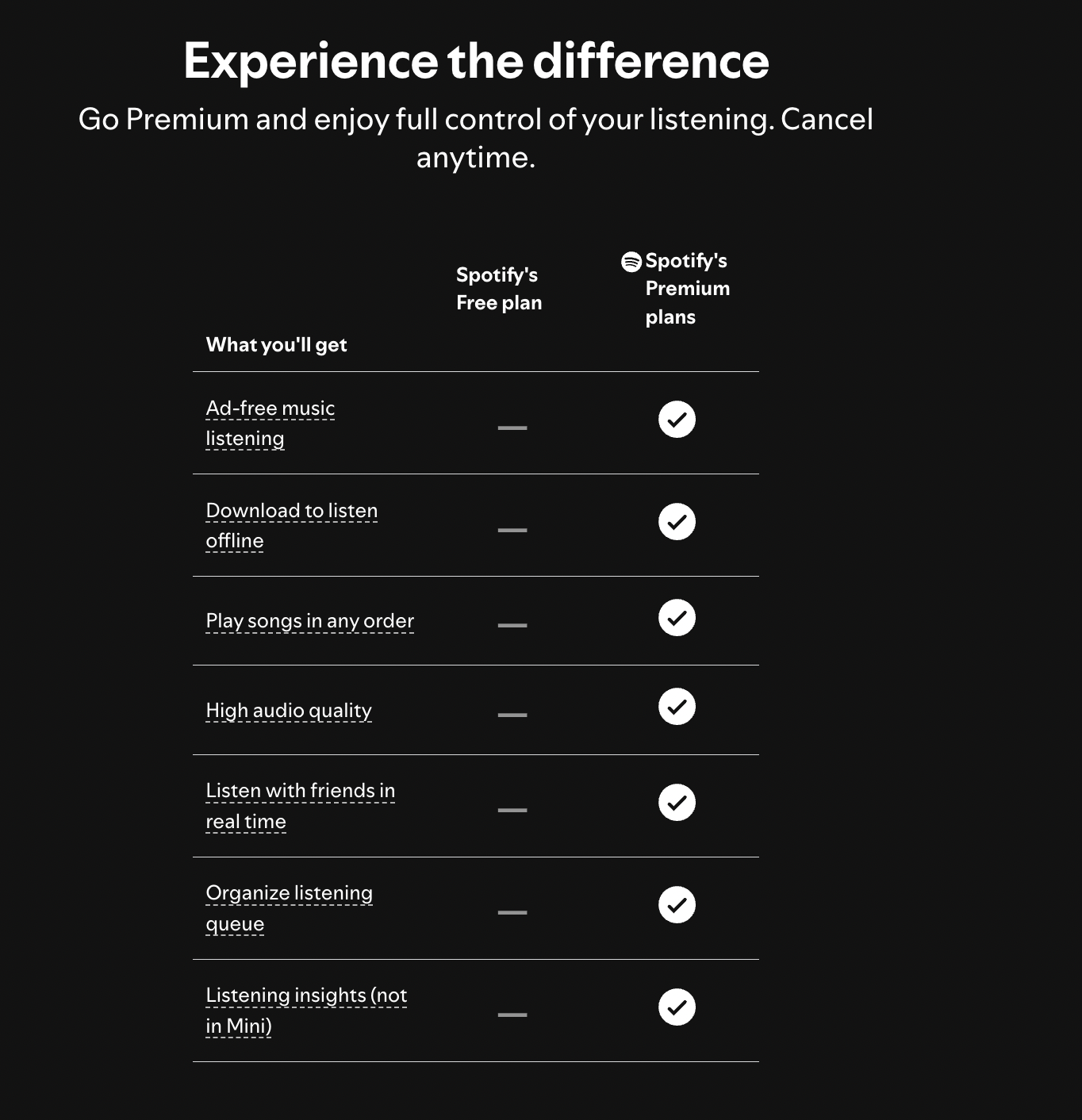
Benefits / Features Comparison | - Benefit list: Lists key Premium features (ad-free listening, offline play, high-quality audio, etc.) in a table comparing Free vs Premium, making value clear. - Reinforcement: “All Premium plans include” section reiterates these features for emphasis. | - Text-heavy & repetitive: The free vs. premium table and repeated bullet list are verbose and may overwhelm users. - No icons/graphics: Pure text format is not very engaging. - Jargon: Terms like “Listening insights (not in Mini)” could confuse casual users. | - Use icons/graphics: Replace or augment text lists with illustrative icons for each feature (e.g. headphone for audio quality) to make scanning easier. - Merge lists: Streamline duplicate information into a single clear comparison table. - Simplify wording: Remove or rephrase technical terms (e.g. explain “insights” or omit it). |
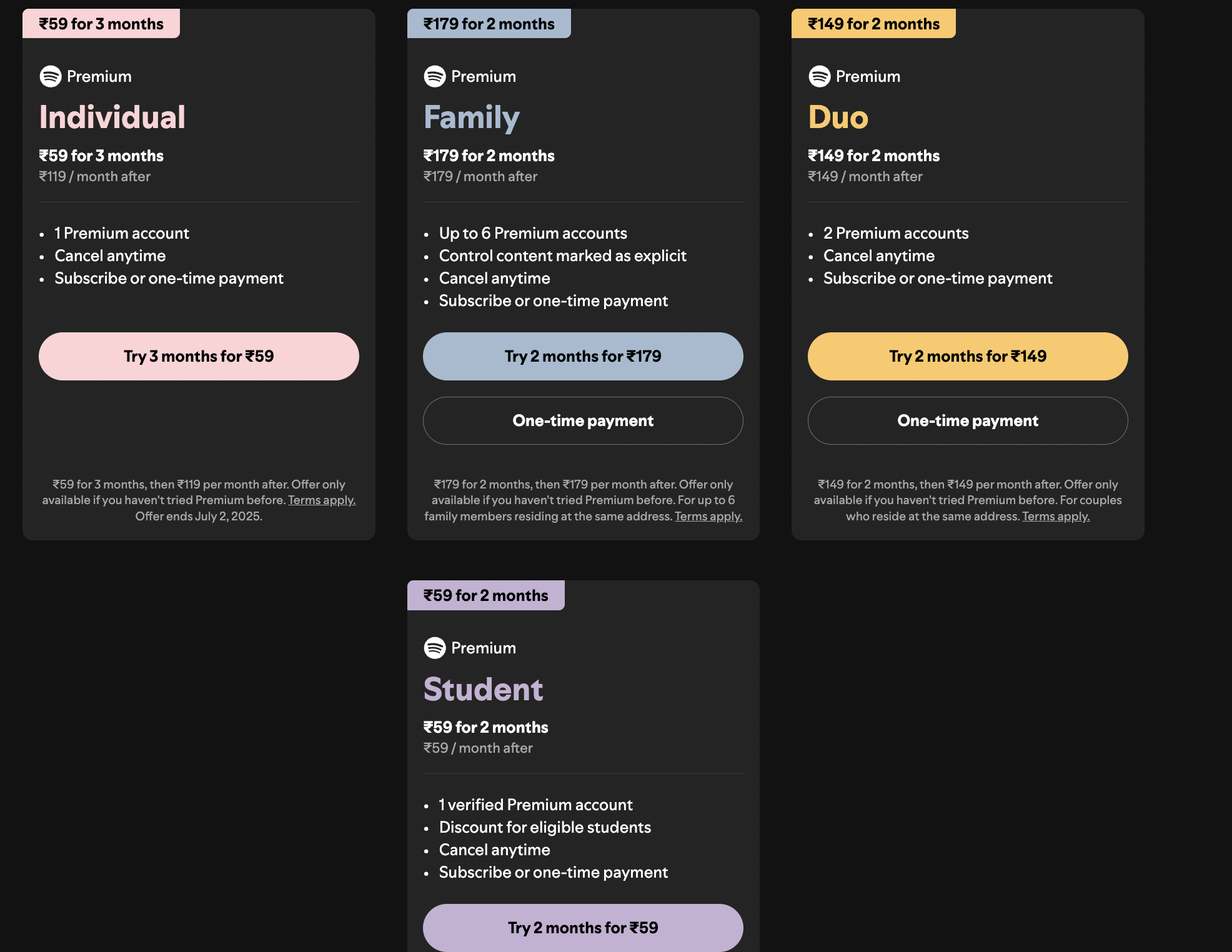
Plan Options (Individual/Duo/Family/Student) | - Clear plan segments: Separate sections for Individual, Duo, Family, and Student plans, each listing account count and features (e.g. “Up to 6 accounts” for Family). - Trial info: Trial pricing and post-trial pricing are visible for each plan. - Policy notes: “Cancel anytime” and student eligibility are clearly noted. | - Cluttered layout: Duplicate headings (“Premium Family” vs “Family”) and mixed formatting make it hard to parse. - Ambiguous phrasing: The phrase “Subscribe or one-time payment” is confusing. - CTAs indistinct: Multiple generic “Continue” buttons (especially under Duo) lack plan context. | - Separate subscription vs. prepaid: Divide UI to clearly show “Auto-renewal” (monthly) vs “Prepaid top-up” options. - Distinct CTAs: Use plan-specific CTA labels (e.g. “Start Family Plan”) and color-code plans. - Clarify wording: Replace “subscribe or one-time” with simpler terms (e.g. “Monthly auto-renewal” vs “Prepaid pack”). |
Pricing & Offers | - Affordability highlighted: Using small rupee amounts (₹59, ₹149, etc.) and deep discounts (e.g. ₹59/mo student) emphasizes value. - Bundle savings shown: Multi-month deals show equivalent per-month rates (especially for Duo), making savings transparent. | - Too many options: Multiple durations (1mo, 2mo, 3mo) and bundles can overwhelm or confuse users. - No short-term plans: Lacks daily/weekly options that Indian customers found attractive. - Savings unclear: Users must calculate percentage savings themselves. | - Simplify choices: Offer fewer time options (e.g. monthly vs. annual) with a toggle or slider, reducing decision friction. - Reintroduce weekly plans: Consider adding low-cost 7-day trial packs as an entry offer. - Highlight savings: Display “Save X%” badges or show per-person pricing (e.g. “₹30/person” on Family) for clarity. |
CTAs & Trust Signals | - Prominent CTA: The main “Try 3 months for ₹59” button is upfront. - Risk reassurance: “Cancel anytime” repeated next to plans helps build trust. | - Button fatigue: Multiple identical “Continue” buttons (e.g. on Duo’s prepaid options) dilute focus. - Lack of social proof: No testimonials or subscriber counts to reassure new users. - No trust badges: Missing security or payment logos that are expected for online purchases. | - Distinct buttons: Use clear, plan-specific CTA text (e.g. “Start Duo Trial”) and accent colors for emphasis. - Add social proof: Include user testimonials or “X million users” metric to validate value. - Show trust badges: Place recognizable payment or security logos near CTAs and note “Secure checkout” to increase confidence. |
Copy & Messaging | - Benefit-focused: Copy highlights key perks (“ad-free”, “offline listening” etc.). - Flexible tone: Phrases like “Cancel anytime” and device compatibility (“phone, speaker, and other devices”) reassure users. - Student discount: Clearly states student price, appealing to a large demographic. | - One-language approach: The page is English-only; no Hindi or regional language cues. - Vague phrases: “Pay in various ways” is not specific; doesn’t name popular Indian methods. - Missing local context: No mention of Bollywood music, cricket playlists, or other culturally relevant hooks. | - Localize copy: Incorporate Hindi or other Indian language taglines (e.g. “मन भर के संगीत”) or references to local content to connect with users. - List payments explicitly: Mention UPI, Paytm, and other top Indian payment methods in text. - Emphasize data savings: Stress how offline downloads save costly data/roaming fees (important in India). |
Visual Design & Layout | - Clean layout: Uncluttered background and consistent spacing keep focus on offers. | - Very text-heavy: Almost no images or color highlights; page looks bland and dense. - Homogeneous cards: All plan boxes appear nearly identical, making quick comparison hard. - No “Best value” cue: Best-selling or most popular plan isn’t visually emphasized. | - Add color & imagery: Introduce color accents or illustrative photos for each plan (e.g. couple icon for Duo) to differentiate cards. - Use infographics: Graphical elements (like bar charts for savings) can illustrate value points quickly. - Highlight one plan: Mark a featured plan (“Most Popular” or “Best Value”) per UX best practices. |
FAQ & Support | - Helpful FAQ: Answers common queries (trial details, cancellation, plan use) are provided at page bottom. | - Buried info: Lengthy Q&A near page end may be overlooked by busy users. - Static format: Entirely text; no collapsible sections or quick tooltips. - No live support: Lack of chat/help prompt for instant questions. | - Collapsible FAQs: Use accordion sections so users can expand only the questions they need. - Surface key Qs: Move top FAQs (e.g. “How does trial work?”) higher on page for quick access. - Add help chat: Include a chat button or quick-contact icon to answer urgent concerns in real time. |
Brand focused courses
Great brands aren't built on clicks. They're built on trust. Craft narratives that resonate, campaigns that stand out, and brands that last.


All courses
Master every lever of growth — from acquisition to retention, data to events. Pick a course, go deep, and apply it to your business right away.





Courses
Built by Leaders From Amazon, CRED, Zepto, Hindustan Unilever, Flipkart, paytm & more







Crack a new job or a promotion with ELEVATE
Designed for mid-senior & leadership roles across growth, product, marketing, strategy & business



Learning Resources
Browse 500+ case studies, articles & resources the learning resources that you won't find on the internet.

Patience—you’re about to be impressed.